Tree Pruning
TREE PRUNING IN SPARTANBURG, SC
Clemson Extension recommends a three-cut method for any branch larger than 1.5 inches, starting with an undercut about 15 inches from the trunk so the falling limb cannot strip bark down the stem. Details like that are what define professional tree pruning. D & A Tree Surgeons LLC prunes shade and ornamental trees in Spartanburg, SC, removing dead, diseased, crossing, and rubbing branches, correcting weak structure, and training young trees to grow strong. Every cut lands just outside the branch collar, timed to the species and its bloom cycle. Our trained, owner-operated crew protects your tree's long-term health, not just its appearance.
ONE WRONG CUT CAN COST A TREE YEARS.
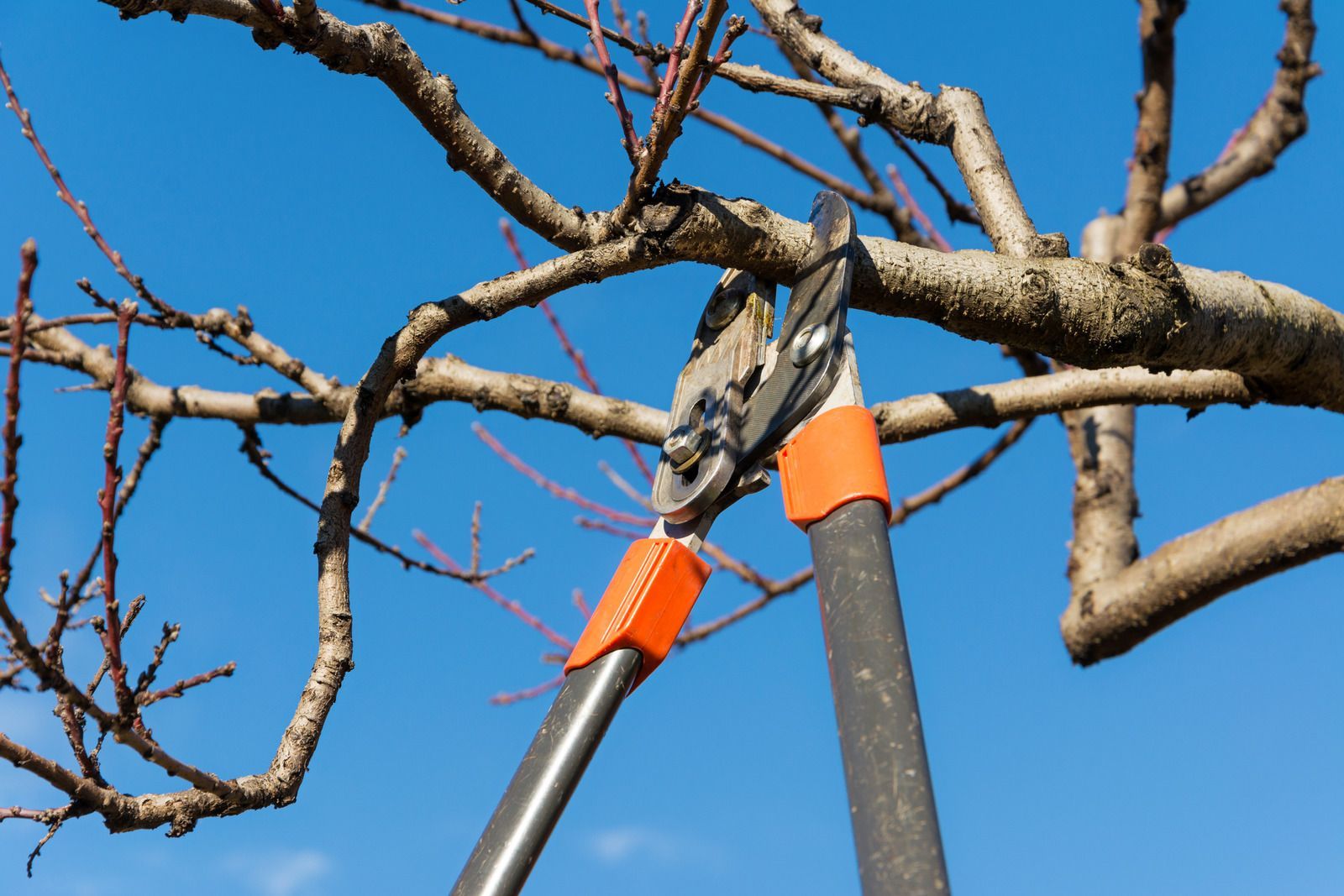
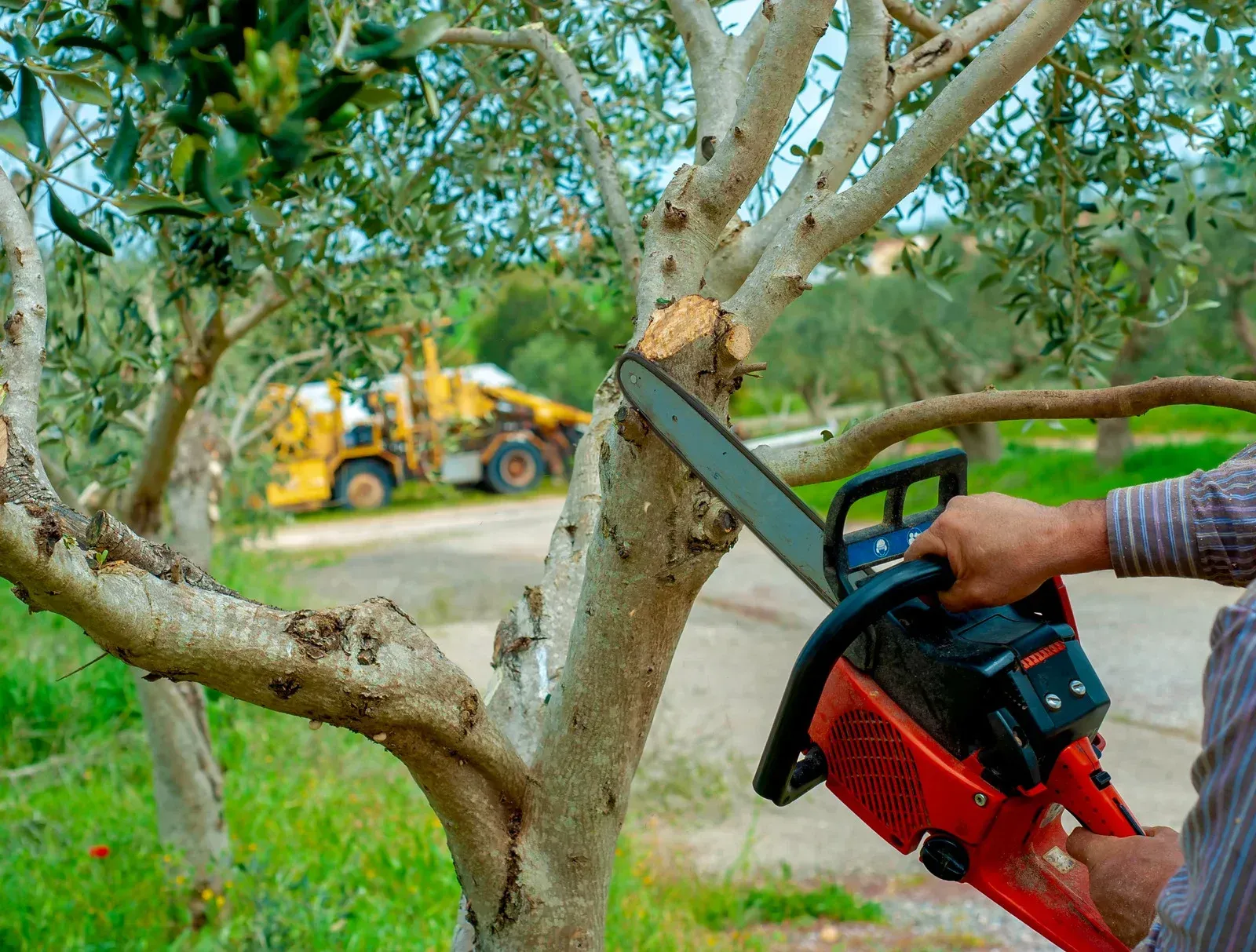
Pruning looks simple from the ground, yet a flush cut, a torn strip of bark, or a limb removed in the wrong season can invite decay and pests that take years to show. Cutting too much at once stresses the tree and triggers weak, crowded regrowth. The damage often goes unnoticed until the tree starts declining or a branch fails.
Careful, well-timed pruning does exactly the opposite for you, steering growth into a strong structure and keeping the tree healthy for decades instead of just looking tidy for a season.
✓ Dead and diseased branches removed
✓ Crossing and rubbing limbs corrected
✓ Young trees trained for strong structure
✓ Cuts timed to species and bloom
TREE PRUNING
SPARTANBURG TREES DESERVE CUTS THEY CAN HEAL FROM.
Trees do not heal the way skin does. They seal wounds off, and they can only do that well when a cut is made in the right place. We prune just outside the branch collar, never flush against the trunk and never leaving long stubs. We skip wound paint and tar, which research shows can trap moisture and encourage rot, and we let the tree's own defenses work.
PRUNING SCHEDULED AROUND WHAT YOUR TREES ARE DOING.
Upstate landscapes mix dogwoods, redbuds, crape myrtles, maples, and oaks, and each responds best to a different pruning window. Trees that bloom before June 1 are pruned after flowering, while summer bloomers are pruned just before spring growth. Maples, birches, and dogwoods bleed sap heavily in late winter, so we often wait until their leaves mature. That timing keeps your trees healthy and flowering.
A PRUNING CUT IS A DECISION THE TREE LIVES WITH FOR DECADES.
We take that responsibility seriously. Our 60+ years of combined experience and consistent training mean we know how much to remove, where to cut, and when to leave a branch alone. We use climbing gear, sharp hand tools, and proper technique, and we take time to answer your questions before touching a limb. Wondering whether your trees are being pruned the right way now? A free visit will tell you.
WHAT PROPER PRUNING DOES FOR YOUR TREES.
Longer, Healthier Life
Removing dead, diseased, and damaged wood keeps decay from spreading and lets the tree focus energy on healthy growth. Well-pruned trees simply live longer and stronger.
Stronger Structure
Correcting narrow branch unions and competing leaders early reduces the chance of splits later. The tree develops a framework built to carry its own weight through storms.
Better Flowering and Form
Pruning at the right time protects next season's developing flower buds and keeps ornamental trees looking balanced, full, and attractive instead of lopsided or overgrown.
Fewer Pests and Diseases
Improved airflow through the canopy dries leaves faster, discouraging fungal problems. Clean cuts also give insects fewer entry points than torn bark and ragged stubs.
Safer Space Beneath the Canopy
Weak and dead limbs removed on schedule are limbs that will never fall on a patio, a parked car, or someone walking below during an afternoon storm.
Value That Grows Over Time
Mature, well-shaped trees add real, lasting appeal to a property. Consistent pruning protects that investment instead of letting it slowly decline into a removal project.
our services
OUR TREE PRUNING WORK
Pruning takes different forms depending on a tree's age, species, and condition. These are the pruning services we provide most often for homeowners and commercial properties around Spartanburg and the surrounding Upstate communities.
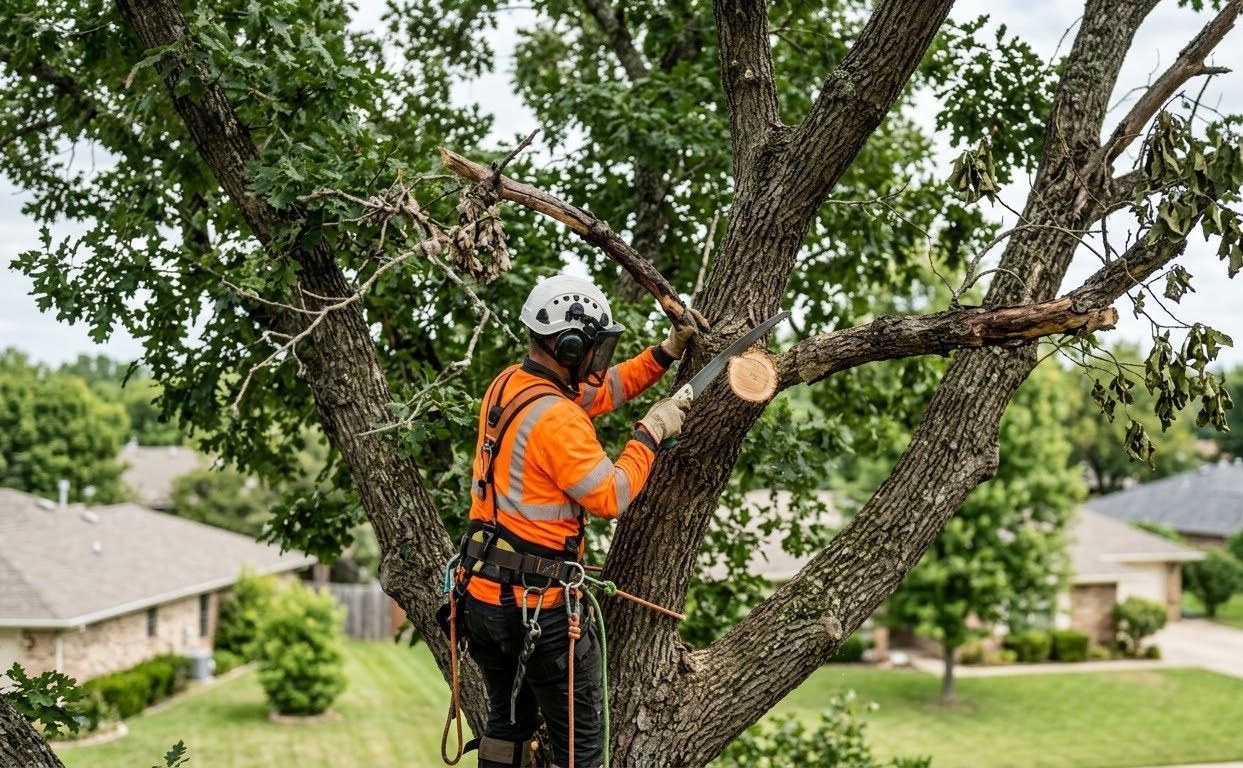
HEALTH CUTS
Dead and Diseased Branch Removal
Dead, dying, and infected branches are removed back to healthy wood, with each cut placed just outside the branch collar. That stops decay from moving inward and keeps problems from spreading through the crown.
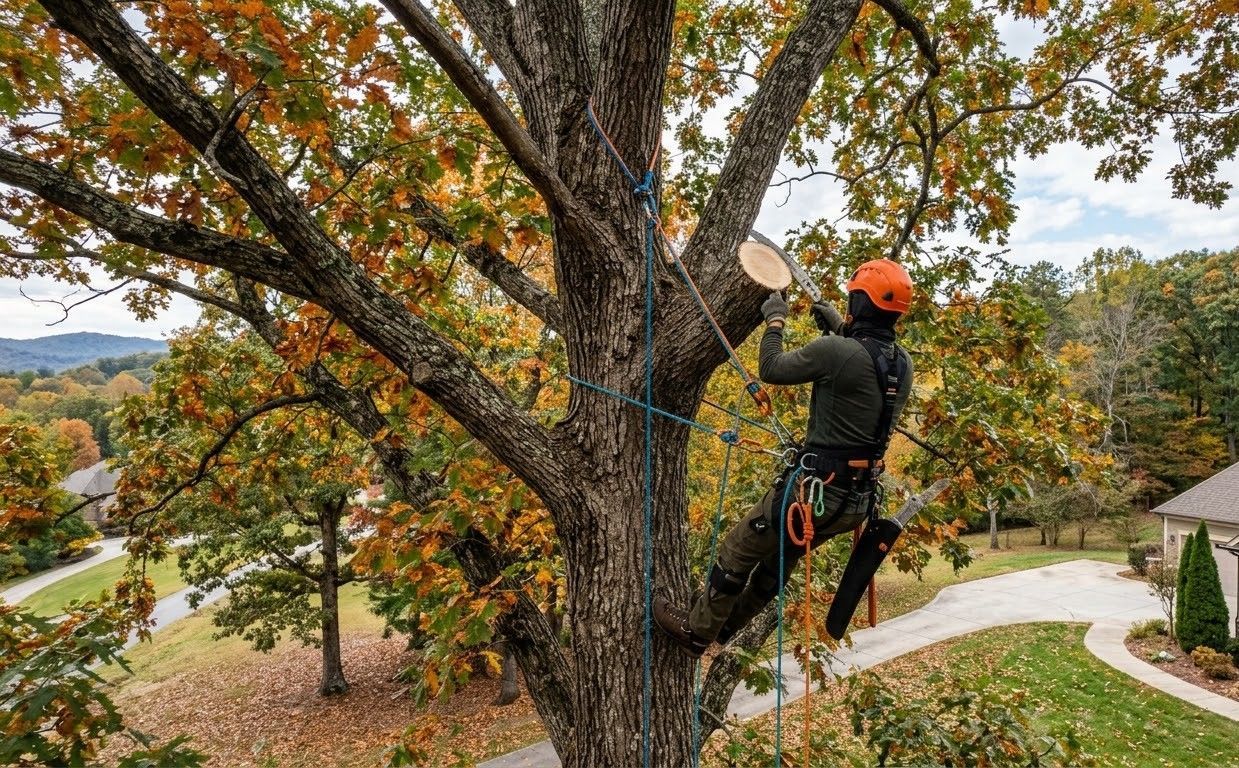
STRUCTURAL PRUNING
Structural Pruning
Competing leaders, narrow crotches, and weakly attached limbs are corrected before they grow large enough to split. Structural pruning builds a stronger framework that stands up far better to Upstate wind and ice.
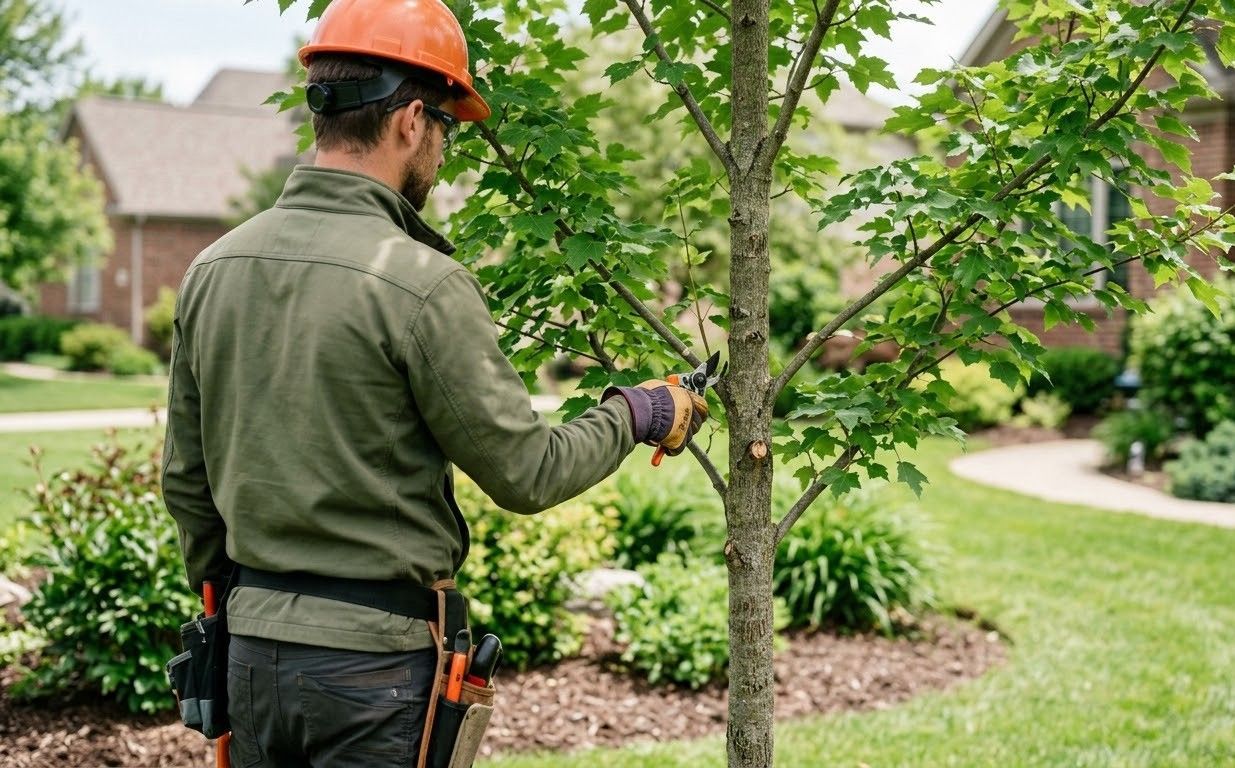
YOUNG TREES
Young Tree Training
Pruning in a tree's first years shapes its entire future. We select a central leader, space permanent branches, and remove problem limbs early, when cuts are small and the tree recovers quickly.
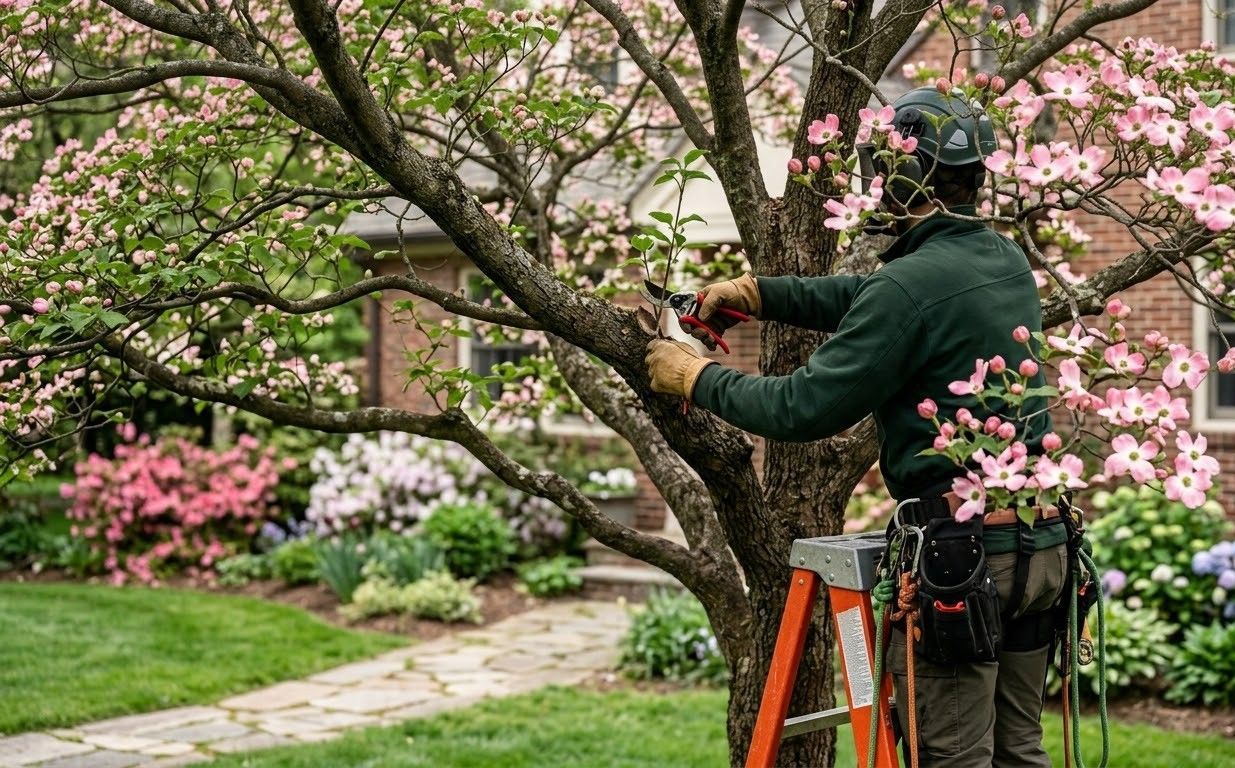
ORNAMENTAL TREES
Ornamental and Flowering Tree Pruning
Dogwoods, redbuds, crape myrtles, and other ornamentals are pruned around their bloom cycles. We keep their natural form, remove suckers and water sprouts, and protect the buds that produce next season's flowers.
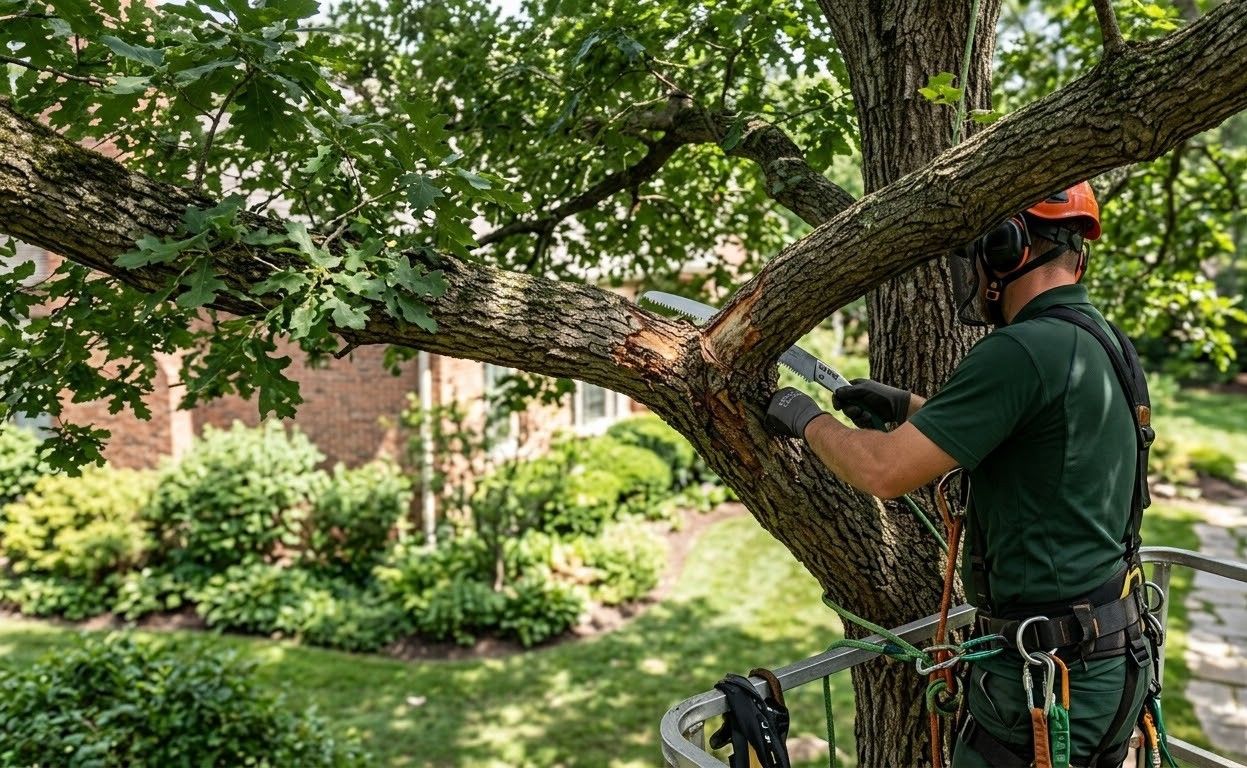
CROSSING LIMBS
Crossing and Rubbing Branch Correction
Branches that rub together wear through bark and open wounds for decay. We remove the weaker limb in each pair, relieving the friction and giving the remaining branch room to grow properly.
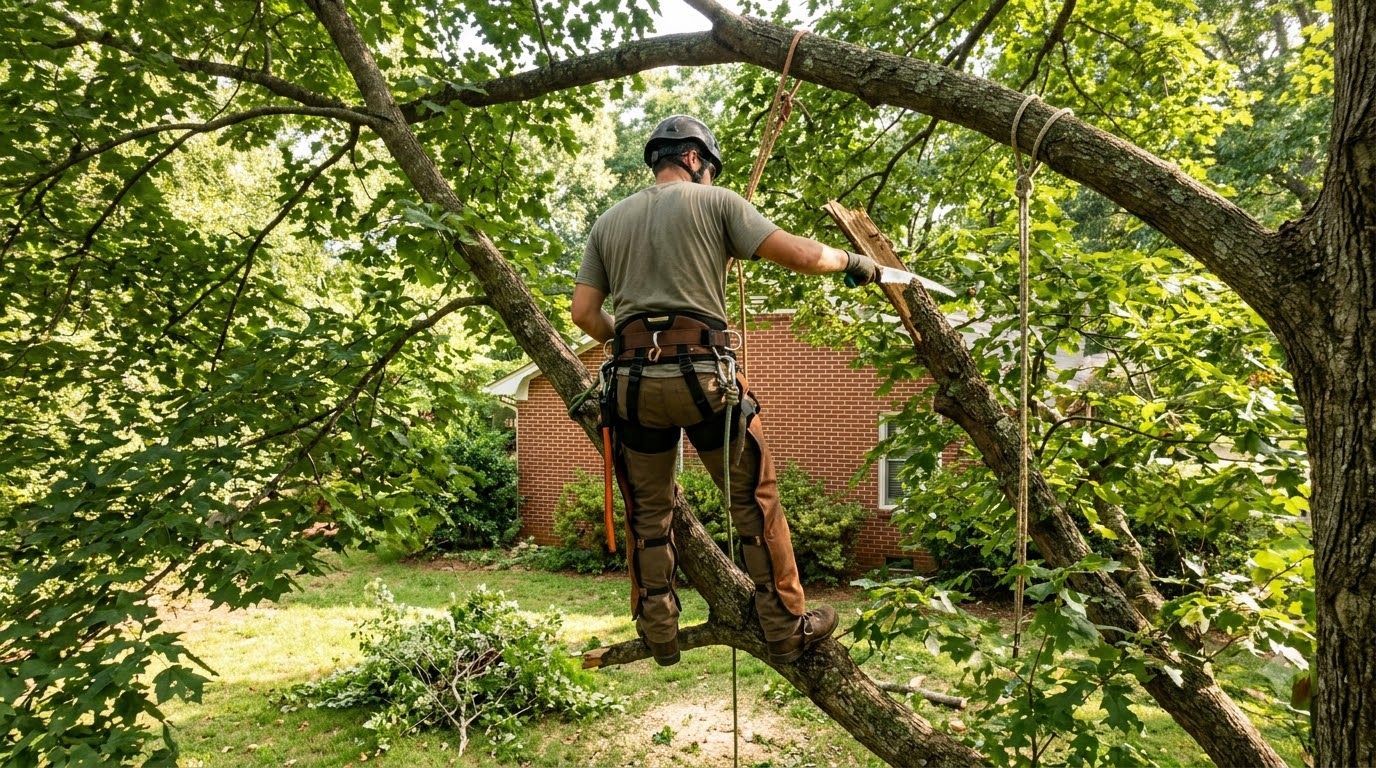
RESTORATION
Restoration Pruning
Trees damaged by storms or poor past pruning can often be brought back. Over several visits, we remove broken stubs, thin excess sprouts, and gradually rebuild a healthier, more natural crown structure.
THE WORD ON OUR WORK
WHAT OUR CLIENTS SAY.
Pruning customers tend to notice the difference a season later, when their trees leaf out fuller and flower better than before. They also mention how patiently we answered questions and how we left their beds and lawn exactly as we found them, minus the fallen branches.
FAQ
FREQUENTLY ASKED QUESTIONS.
Good pruning depends on timing, technique, and restraint. These answers cover the questions Spartanburg homeowners most often ask before trusting someone with the long-term health of their trees.
Why hire a professional instead of pruning my trees myself?
Professional pruning protects your tree's long-term health and reduces the risk of injury or property damage. A trained crew knows how much to remove and when, preventing disease, weakened structure, and poor growth caused by simple guesswork on a ladder.
How do I know when my tree needs pruning?
Common signs include dead or broken branches, limbs crossing and rubbing, overgrowth touching structures, and branches blocking views or walkways. Sparse, lopsided crowns and water sprouts along major limbs also suggest a tree would benefit from professional attention.
Can improper pruning really harm a tree?
Yes. Cutting too much, making flush cuts, or pruning at the wrong time can stress the tree, attract pests, and start long-term decline. Proper technique and careful timing are essential for healthy development and a strong, lasting structure.
When is the best time to prune in the Upstate?
It depends on the tree. Spring bloomers such as dogwoods and redbuds are best pruned right after they finish flowering, summer bloomers like crape myrtle just before spring growth, and most shade trees during late winter dormancy here.
Should pruning cuts be sealed or painted?
No. Research shows wound paints and tars do not prevent decay and can trap moisture against the wood, creating better conditions for rot. A correct cut just outside the branch collar lets the tree seal the wound itself naturally.
Do young trees really need pruning?
Yes, and it is the best long-term investment you can make. D & A Tree Surgeons LLC trains young trees around Spartanburg, SC, by selecting a strong leader and spacing branches early, when cuts are small and heal quickly.
Why is my maple dripping sap after pruning?
Maples, birches, and dogwoods are known bleeders, releasing sap heavily from any late winter cuts. The flow is not harmful to the tree itself, but pruning these species after their leaves mature keeps the mess and stinging insects down.
What sets your pruning team apart?
D & A Tree Surgeons LLC takes time to answer questions, assess each tree, and recommend only what it needs. Spartanburg, SC, homeowners get precise cuts, species-aware timing, and a crew that treats every tree as a long-term commitment.
HOW WE WORK
FROM FIRST LOOK TO FINAL CUT, HERE IS HOW.
STEP 01
WE STUDY THE TREE
We look at species, age, structure, and overall health, noting dead wood, weak unions, crossing limbs, and signs of disease. We also ask what you want from the tree, whether shade, flowers, clearance, or safety.
STEP 02
WE EXPLAIN THE PLAN
You get a clear explanation of which branches we would remove, why each one matters, and whether any work should wait for a better season. There is never pressure to prune more than necessary.
STEP 03
WE TIME IT RIGHT
Pruning is scheduled carefully around your tree's bloom cycle, sap flow, and winter dormancy. Flowering ornamentals, bleeders like maples, and shade trees each get a window that protects their health and next season's growth.
STEP 04
WE CLIMB AND CUT WITH CARE
Using climbing gear and sharp tools, we make every cut just outside the branch collar. Larger limbs get the three-cut method, so bark never tears down the trunk as the branch comes free.
STEP 05
WE STEP BACK AND CHECK
Throughout the job, we pause to look at the crown from the ground. That habit keeps the tree balanced and natural, and it stops us from removing more live growth than the tree can handle.
STEP 06
WE CLEAN UP AND ADVISE
Branches are chipped and removed, the lawn is raked, and you get simple advice on when the tree should be looked at again, so its structure keeps improving with each future pruning visit.