

Tree Trimming
TREE TRIMMING IN SPARTANBURG, SC
Clemson Extension advises that when a limb is cut back from a roof or wire, the cut should end at a fork where the remaining live branch is at least half the diameter of the one removed. That single rule separates careful tree trimming from the stubbed, regrowth-prone cuts common after storms. D & A Tree Surgeons LLC provides tree trimming in Spartanburg, SC, for roof and driveway clearance, crown thinning, deadwood removal, and weight reduction on long, heavy limbs. Most trees benefit from trimming every 1 to 3 years, and we can arrange a recurring schedule matched to your species and property.
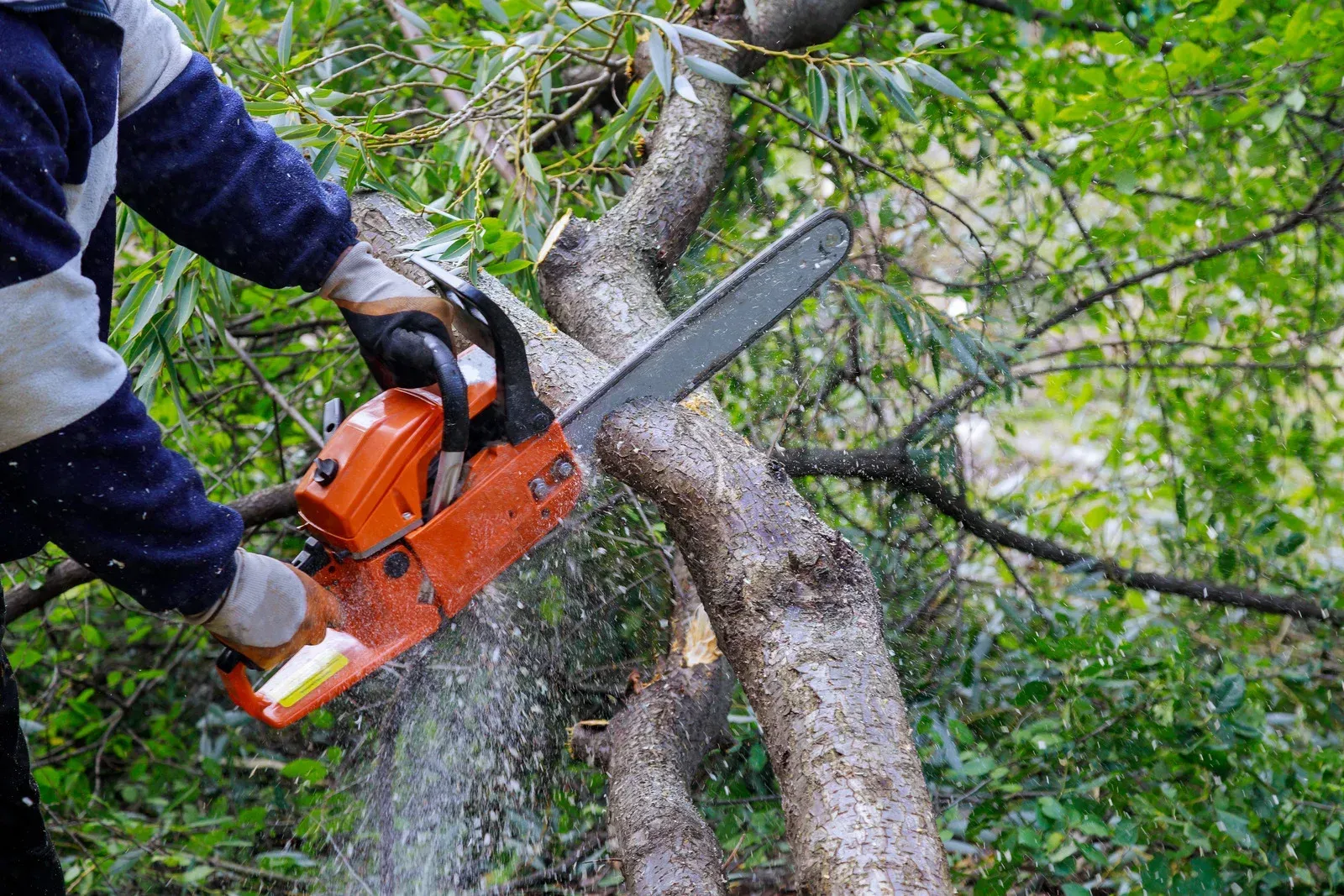
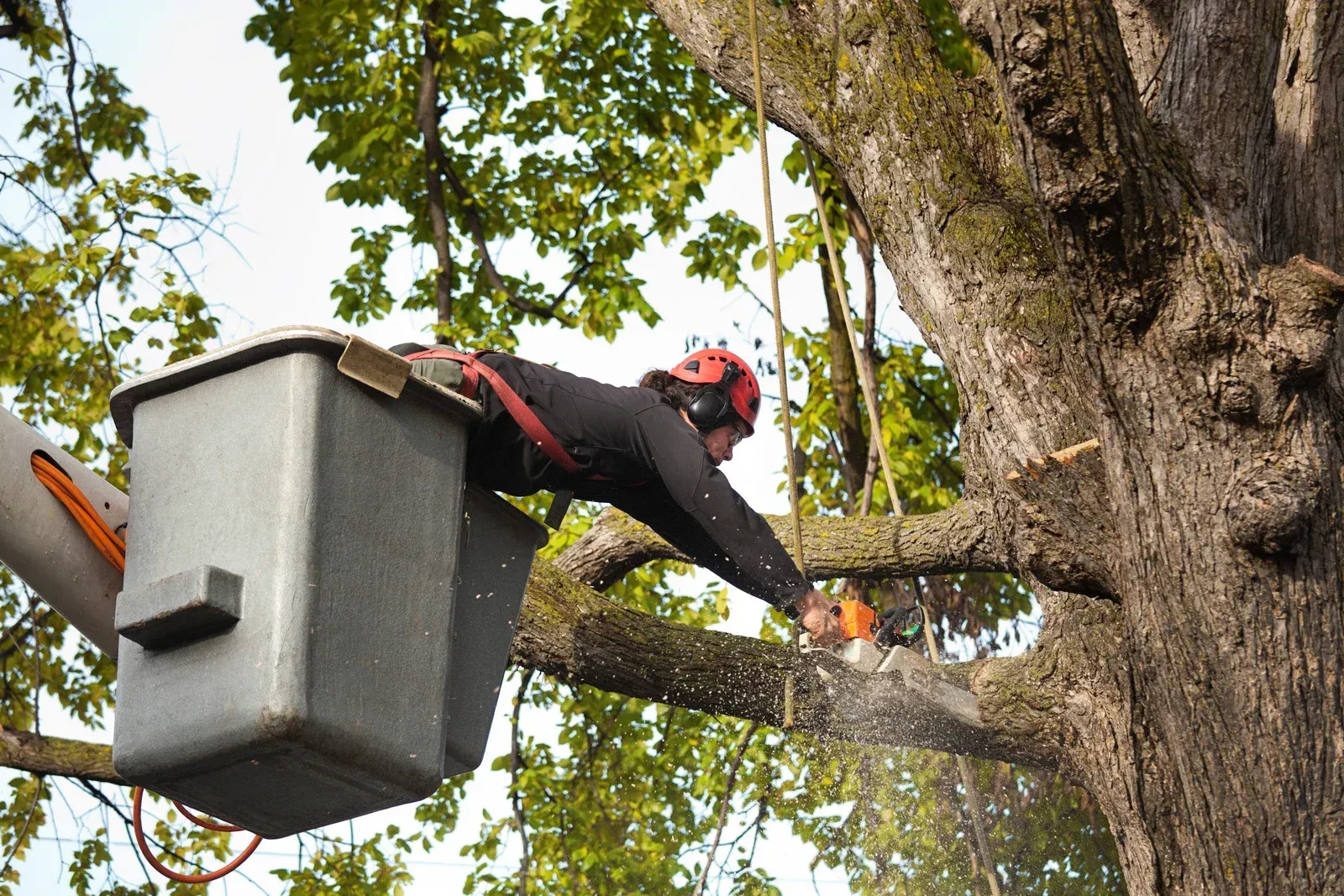
OVERGROWN LIMBS DO THEIR DAMAGE SLOWLY, THEN ALL AT ONCE.
A branch rubbing the shingles wears through granules a little at a time. Heavy horizontal limbs add weight every season until one breaks in a thunderstorm. Dense canopies trap moisture, shade out the lawn, and hide dead wood waiting to fall. None of it looks urgent on an ordinary afternoon, which is exactly why it gets ignored.
Regular trimming catches these problems while they are still small and cheap to fix, keeps your trees shapely and strong, and saves you from paying for a storm repair later.
✓ Roof and structure clearance
✓ Heavy limb weight reduction
✓ Deadwood removed from the crown
✓ Recurring trimming schedules
TREE TRIMMING
SPARTANBURG TREES GROW FAST, AND THEY NEED TO BE KEPT IN CHECK.
Long, humid Upstate summers push vigorous growth on oaks, maples, and poplars, and a tree that cleared the roof three years ago may be scraping it today. We trim to keep that growth where it belongs, removing crowded, crossing, and overextended limbs while preserving the natural shape of the crown. Every cut is made at a proper branch junction, so regrowth stays controlled and the tree stays balanced.
TRIMMING TIMED FOR UPSTATE SEASONS.
Late winter, before spring growth begins, suits most shade trees here because the structure is easy to see and pests are less active. Summer trimming works well for clearance and deadwood. Clemson recommends avoiding heavy cuts within about 10 weeks of your first hard frost, since late tender growth can freeze. We schedule your trimming around these windows whenever your situation allows it.
GOOD TRIMMING IS INVISIBLE A YEAR LATER.
When trimming is done right, neighbors should not be able to tell exactly where we cut. That kind of restraint comes from 60+ years of combined experience and a real understanding of how different species respond to cutting. We take enough to solve the problem and leave the tree looking natural, never hacked. Curious what your trees would look like with a proper trim? We are happy to walk the yard and show you.
WHAT REGULAR TRIMMING DELIVERS.
Fewer Broken Limbs in Storms
Lighter, well-spaced branches let wind pass through instead of catching it like a sail. Your trees handle summer thunderstorms and winter ice with far less breakage.
A Roof That Lasts Longer
Branches that rub or overhang wear shingles, clog gutters, and give squirrels a bridge onto the house. Clearance protects the most expensive part of your home.
More Light for Lawn and Garden
Thinning a dense crown lets filtered sunlight reach the grass and beds below. Lawns thicken up, and shade-struggling plants finally get the light they need.
Stronger, Healthier Trees
Removing dead, damaged, and crowded limbs directs the tree's energy into sound growth. Regular attention supports longevity and a stronger overall structure year after year.
Better Curb Appeal
Neatly shaped trees frame a home and make the whole property look well cared for. Overgrown, lopsided canopies do the opposite, especially from the street.
Predictable Maintenance Costs
Staying on a regular trimming cycle keeps each visit smaller and simpler. You avoid the bigger, more expensive jobs that come from years of neglect.
our services
OUR TREE TRIMMING WORK
Trimming covers more than cutting back a few limbs. These are the services we provide most often to keep trees around Spartanburg homes and businesses safe, healthy, attractive, and well clear of the structures beside them.

ROOF CLEARANCE
Structure and Roof Clearance
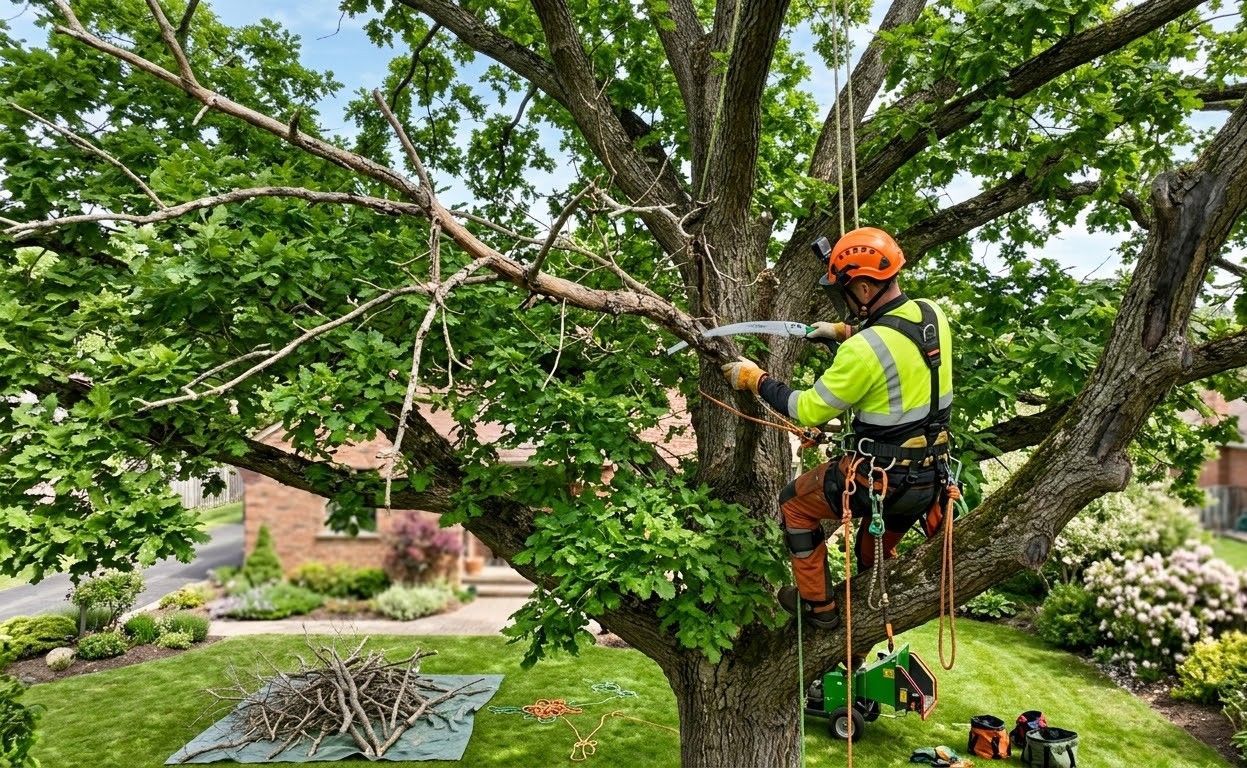
Limbs over roofs, chimneys, and siding are cut back to proper junctions, giving your home breathing room. We lower cut limbs with ropes when needed, so nothing drops onto shingles, gutters, or decks below.
CROWN THINNING
Crown Thinning
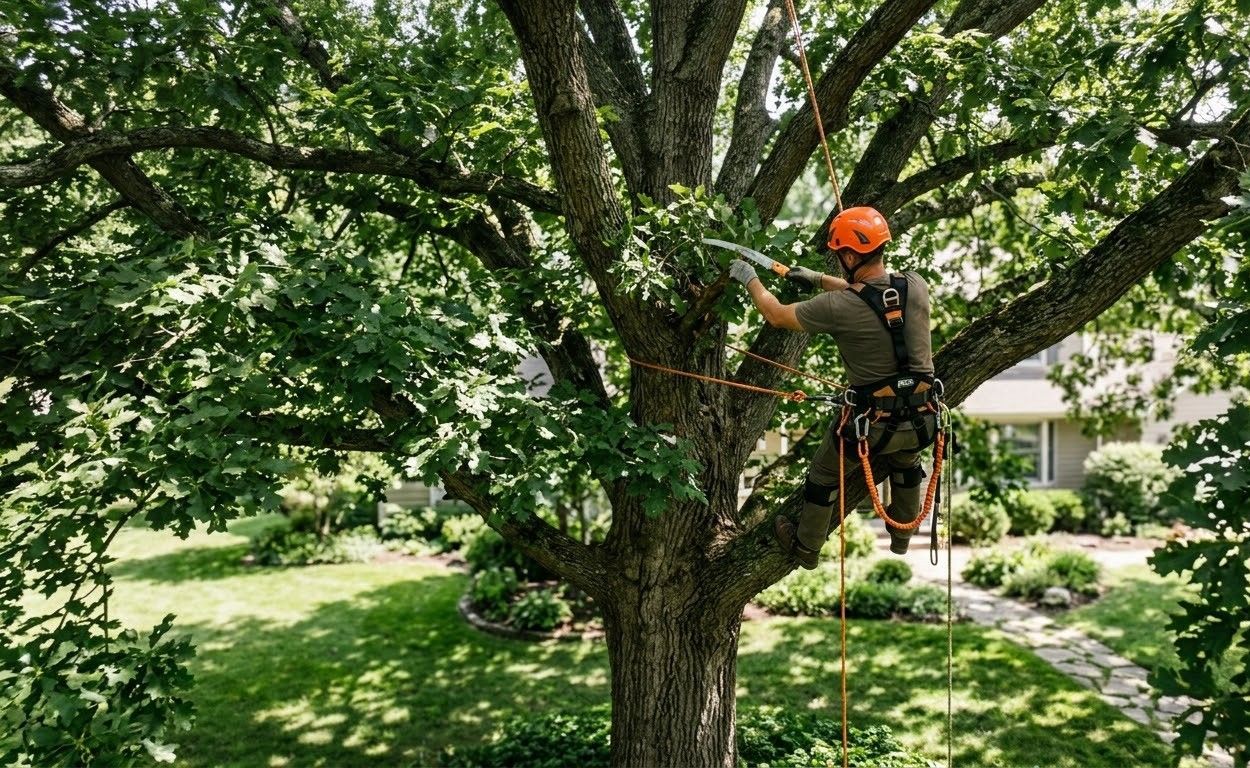
Selectively removing interior branches opens the canopy to light and air without changing the tree's shape. Thinning reduces wind resistance and moisture buildup, and it lets more sunlight reach the lawn underneath.
CROWN RAISING
Crown Raising
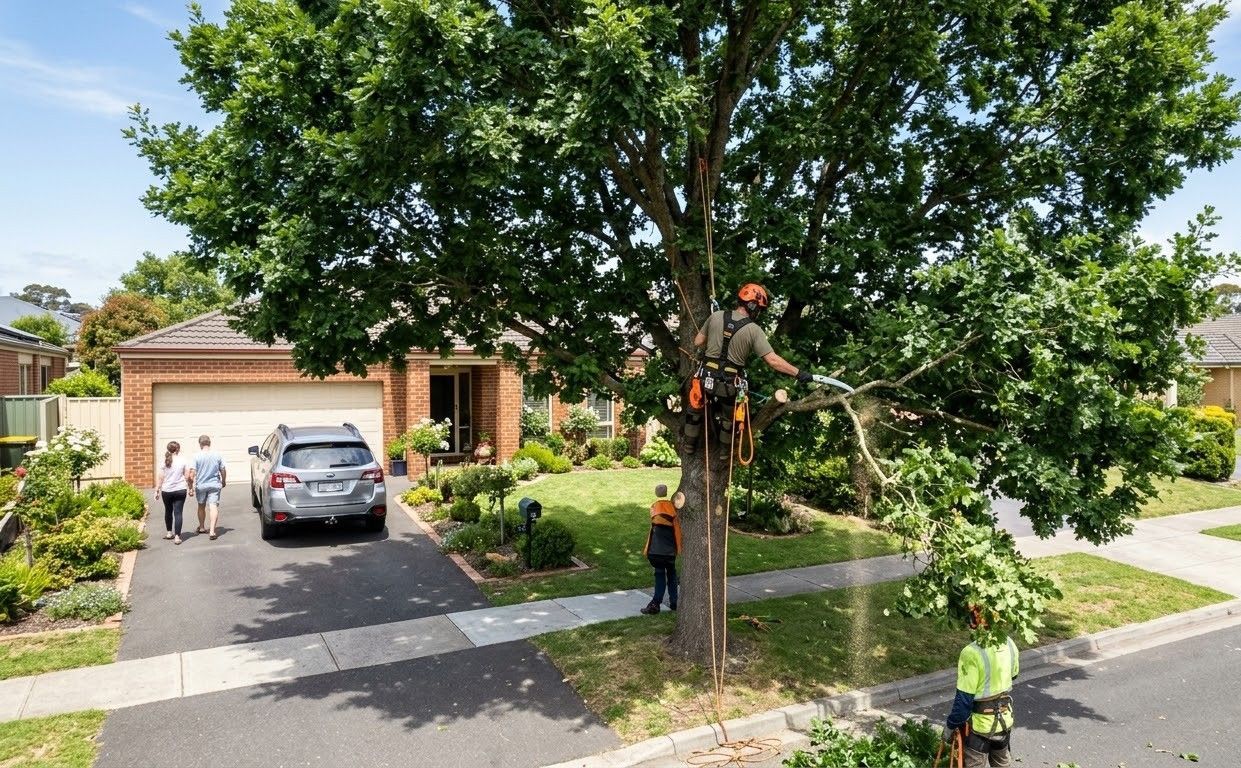
Lower limbs hanging over driveways, sidewalks, and patios are removed to create comfortable clearance for vehicles and people. We raise the crown gradually, keeping enough foliage to maintain the tree's strength and balance.
DEAD WOOD
Deadwood Removal
Dead branches fall without warning and invite decay into healthy wood. We remove them throughout the crown, making clean cuts outside the branch collar so each wound can close over properly.

WEIGHT REDUCTION
Limb Weight Reduction
Long, heavy horizontal limbs are the ones most likely to snap. We shorten and lighten them at proper junctions, reducing leverage on the attachment point while keeping the limb alive and natural looking.
ONGOING CARE
Scheduled Maintenance Trimming
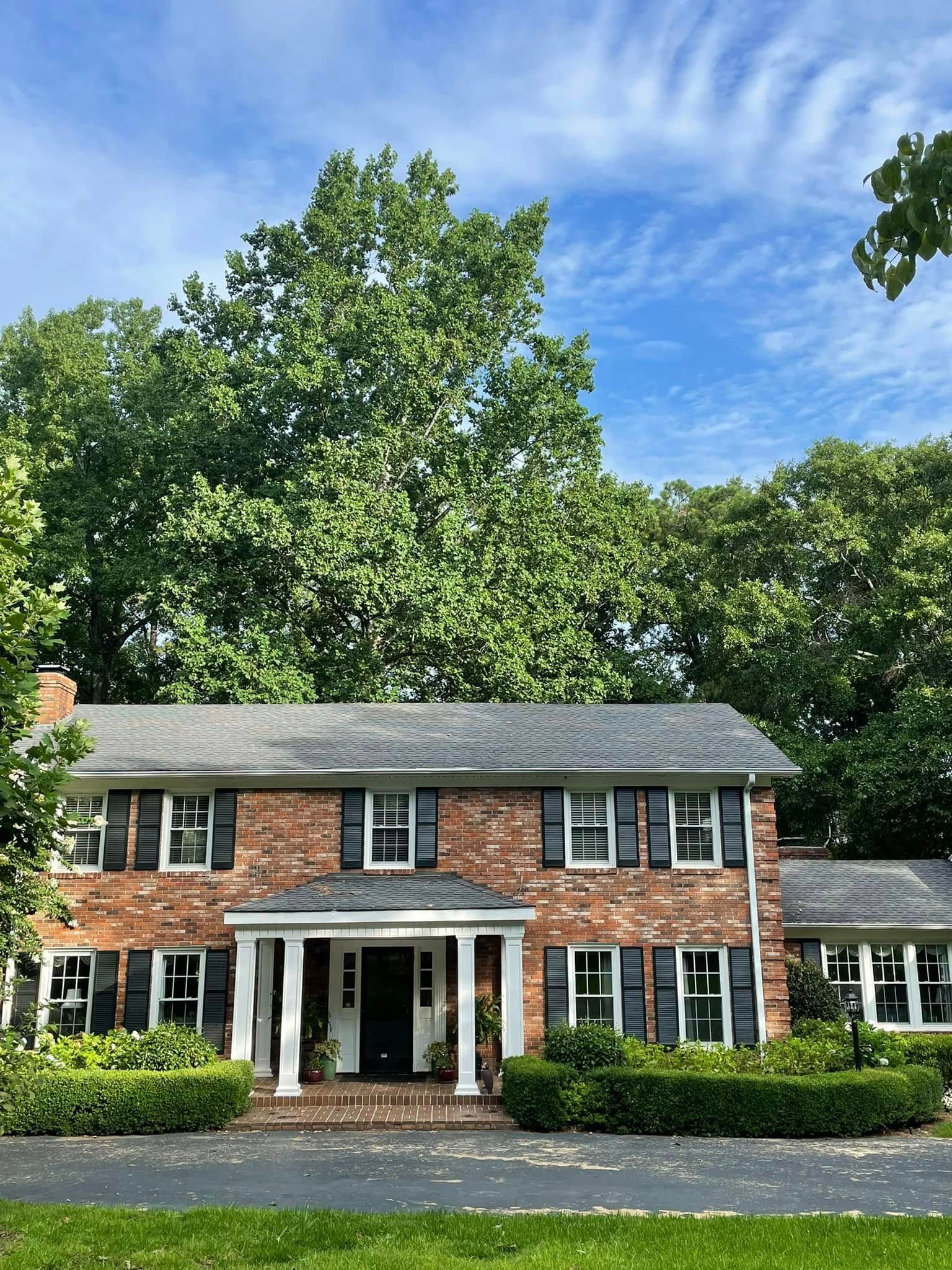
We can create a recurring trimming plan for your property, typically every 1 to 3 years depending on species, age, and growth. Regular visits keep every job smaller, safer, and easier on your trees.
THE WORD ON OUR WORK
WHAT OUR CLIENTS SAY.
Trimming customers often tell us their trees look healthier and more natural than they expected, not chopped. They appreciate that we explained each cut beforehand, protected their flower beds, and left the lawn free of clippings. That feedback keeps us careful every time we climb.
FAQ
FREQUENTLY ASKED QUESTIONS.
Tree trimming raises questions about timing, frequency, and how much to cut. These answers explain what homeowners around Spartanburg should know before scheduling their next round of trimming.
Why is tree trimming necessary?
Trimming prevents overgrown or heavy limbs from cracking, falling, or rubbing against your home. It also improves light and airflow through the canopy, which supports healthier growth and steadily reduces the chance of serious storm damage over time.
How often should my trees be trimmed?
Most trees benefit from trimming every 1 to 3 years, though the ideal schedule depends on species, age, and growth rate. After looking at your trees, we can recommend a maintenance plan tailored to your specific property and goals.
What happens if I skip trimming for years?
Unchecked growth leads to weak, crowded branches that split more easily, along with limbs rubbing roofs and blocking views. Neglected trees also lose curb appeal quickly, and catching up usually requires a larger, more expensive trim later on.
What is the difference between trimming and pruning?
The terms overlap, but trimming usually focuses on clearance, size, and appearance, while pruning targets the tree's health and structure. Both rely on correct cuts at branch junctions, and many of our visits combine the two approaches naturally.
Is topping a tree a good way to reduce its size?
No. Topping, or cutting large limbs back to stubs, triggers fast, weakly attached sprouts and invites decay into the wood. Reduction cuts made at proper branch junctions shrink the canopy while keeping the tree structurally sound and natural looking.
How much of a tree can be trimmed at once?
Only as much as the tree can comfortably recover from, which is usually far less than people expect. Removing too much live foliage stresses the tree, so larger corrections are often spread across two or more separate visits.
Why do branches hanging over my roof matter?
D & A Tree Surgeons LLC sees the effects across Spartanburg, SC: worn shingles, clogged gutters, moss from constant shade, and squirrels using limbs as bridges. Cutting branches back protects the roof and reduces the risk of damage during storms.
What makes your trimming team a good fit?
D & A Tree Surgeons LLC understands how many tree species behave and trims to preserve their natural shape. Spartanburg, SC, homeowners also get recurring schedules, careful cleanup, and the same owner-operated crew at every single visit we make.
HOW WE WORK
FROM OVERGROWN TO WELL KEPT, HERE IS HOW.
STEP 01
WE LOOK AT EVERY TREE
We walk your property and note species, age, growth habits, and any limbs crowding structures, driveways, or lines. We also listen to what bothers you most, whether it is shade, debris, or storm worries.
STEP 02
WE RECOMMEND THE RIGHT CUTS
You get a clear explanation of what we would trim and why, from clearance cuts to thinning and deadwood removal. We keep recommendations to what each tree actually needs, never more than it can handle.
STEP 03
WE SET THE SCHEDULE
We book the work at a time that suits both your calendar and your trees, and we can set up a recurring trimming cycle so you never have to remember when the next visit is due.
STEP 04
WE PROTECT THE GROUND BELOW
Before anyone climbs, we identify flower beds, decorations, and structures under the canopy. Heavier limbs are lowered with ropes rather than dropped, keeping your landscaping, patio furniture, and roof safe while we work.
STEP 05
WE TRIM WITH PRECISION
Each cut is made at a proper junction or just outside the branch collar. That approach encourages clean sealing, prevents excessive sprouting, and leaves the crown balanced and natural instead of stubbed or lopsided.
STEP 06
WE CLEAN UP COMPLETELY
Branches go through the chipper, clippings are raked from lawns and beds, and debris is hauled away. We walk the yard with you afterward so you can see the finished trees from every angle.